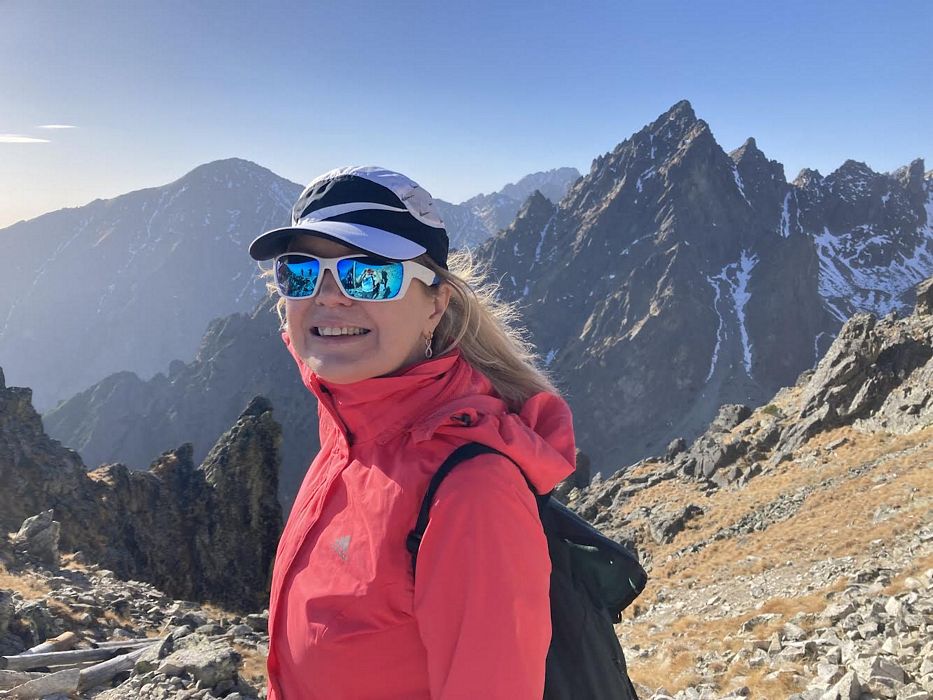
Interview
with Elena Malíková
Sport as a Driver of Inclusion, Sustainable Development and International Cooperation
Introduction and Personal Background
1. Can you briefly describe your role and involvement in the sport sector?
My involvement in sport has been very long and has taken me through several different perspectives. I started as an athlete in Modern Pentathlon, so my first experience of sport was very much that of a competitor. Later, I became involved in sport administration and governance, including work with the Slovak Modern Pentathlon Association and the international Modern Pentathlon community.
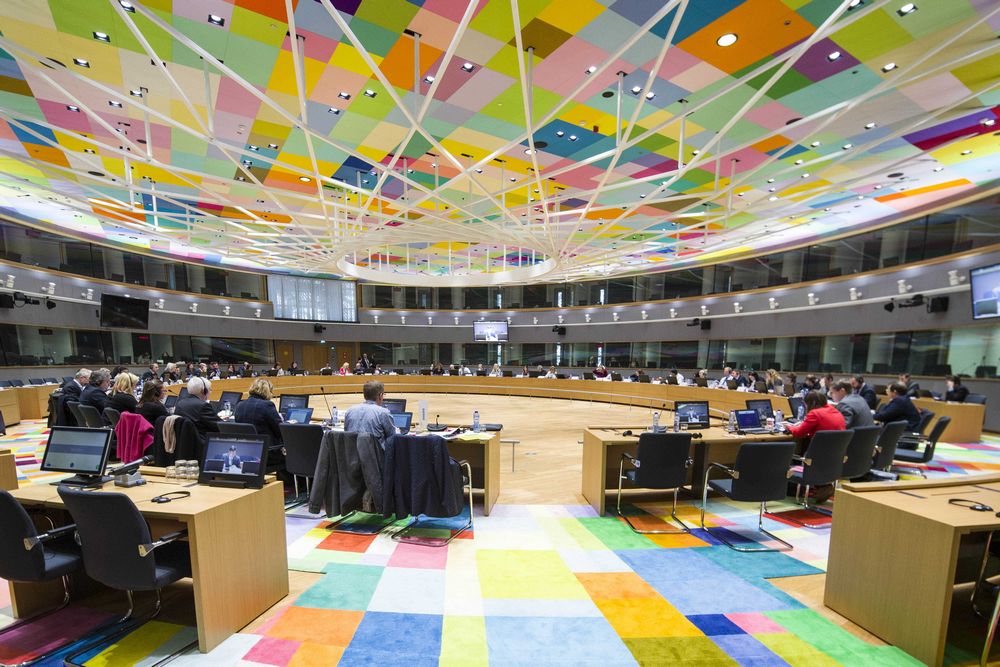
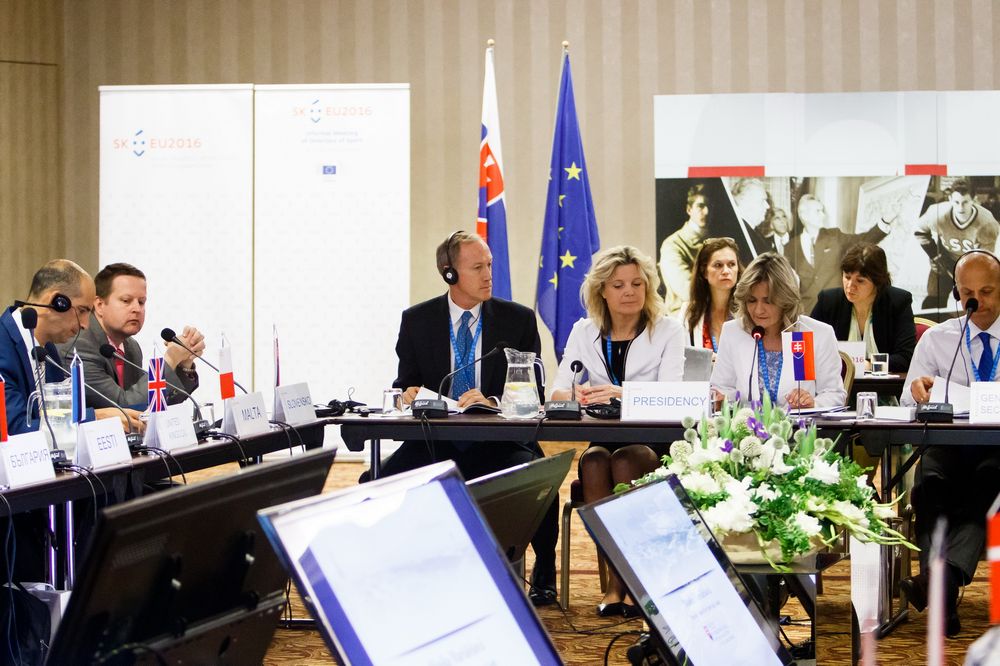
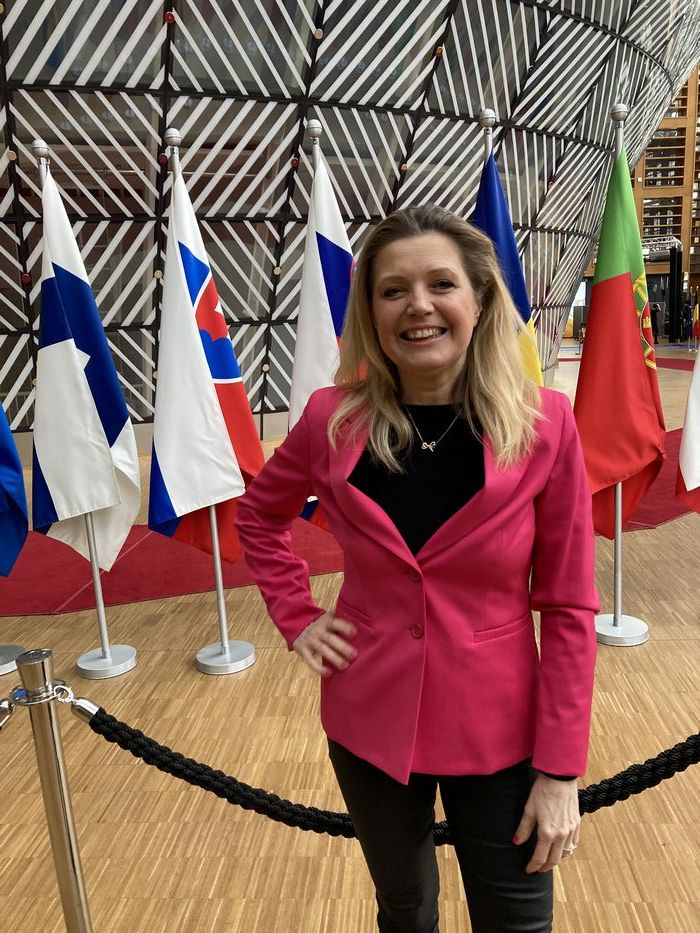
I also spent many years working in public administration in the area of education, international relations and sport. During the Slovak Presidency of the Council of the European Union in 2016, I chaired the Council Working Party on Sport, which gave me a particularly interesting perspective on European sport policy and cooperation between Member States.
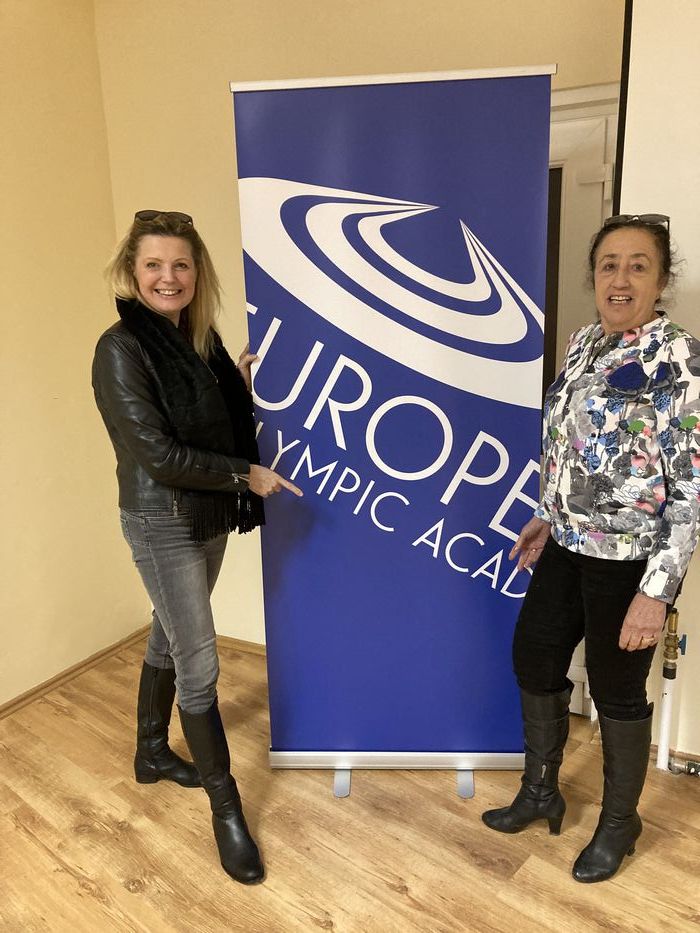
I have also been involved in the Slovak Olympic Academy and in several European projects connected with sport, education and inclusion. This work has reinforced my belief that sport is not only about performance. It can be a very powerful educational and social instrument.
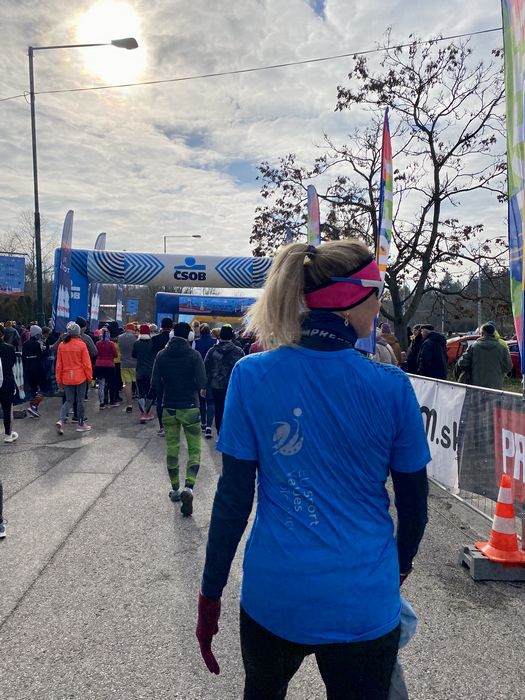
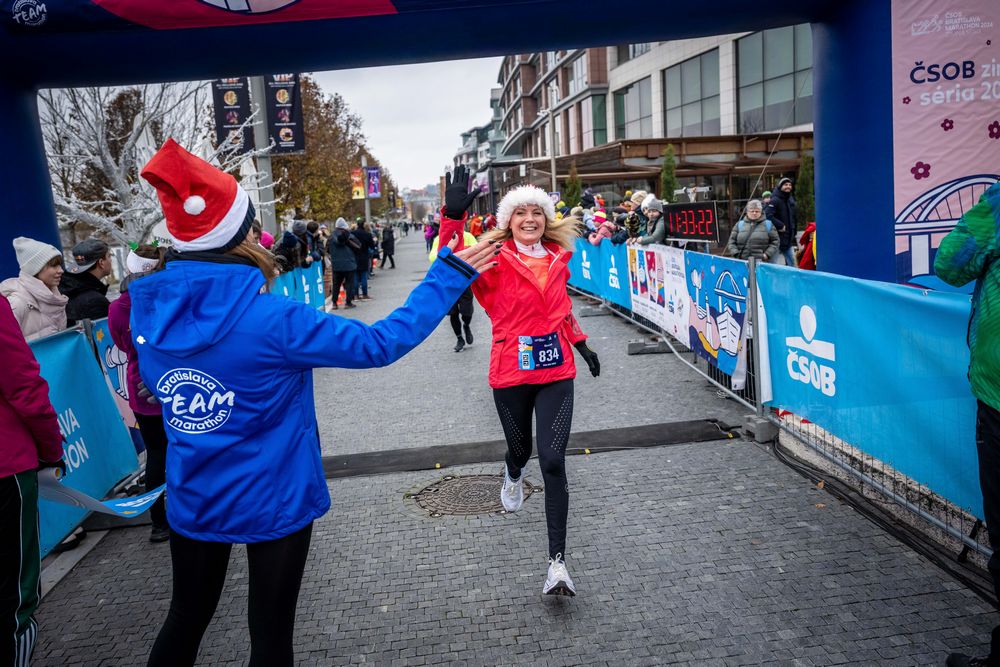
I would say that I have experienced sport from almost every angle – as an athlete, administrator, policymaker, evaluator, project partner and, today, also as a recreational runner.
2. Based on your personal experience, how would you describe the sport system in your country?
The Slovak sport system has developed considerably, but it is still a system with considerable potential for improvement. One of its strengths is the enormous commitment of people working in sport. Coaches, volunteers, teachers, club officials and athletes often do much more than their formal responsibilities would suggest.
At the same time, we still face challenges related to financing, infrastructure, coordination between different levels of governance and unequal access to sporting opportunities. The quality of opportunities can depend significantly on where a person lives, the resources of their family or community, and whether suitable facilities and programmes are available.
Another challenge is the balance between elite sport and sport for all. We naturally want successful athletes and international medals, but the broader social value of sport is equally important. A healthy population, active children, inclusive communities and opportunities for older people are also indicators of a successful sport system.
For me, the most important change is to stop thinking about sport as an isolated sector. Sport intersects with education, health, youth policy, social policy, environment and regional development.
Inclusion in Sport and Social Development
3. From your experience, how is inclusion promoted within sport in your country?
Inclusion is increasingly recognised as an important part of sport policy and practice, but implementation is still uneven. We have programmes supporting participation of children and young people, women, persons with disabilities and socially disadvantaged groups. There are also initiatives using sport as a tool for integration and community development.
However, inclusion cannot simply mean creating a programme for a particular group. Real inclusion means asking whether people can actually access sport, whether they feel welcome there, whether they can afford it, whether facilities are accessible and whether coaches have the knowledge and confidence to work with diverse participants.
I have learned that sometimes the most important barrier is not the absence of a formal policy. It is the everyday environment. A person may technically have access to a sports club but still feel that the club is “not for people like me.” That is why inclusion has to become part of the culture of sport organisations.
4. Have you been involved in or observed initiatives that use sport to promote equality or inclusion?
Yes, and this is probably one of the areas that has influenced me most in recent years. For example, through European projects, I have seen how sport can bring together people who would otherwise have very little opportunity to meet. Projects focused on inclusion demonstrate that participation itself can create relationships, confidence and a sense of belonging.
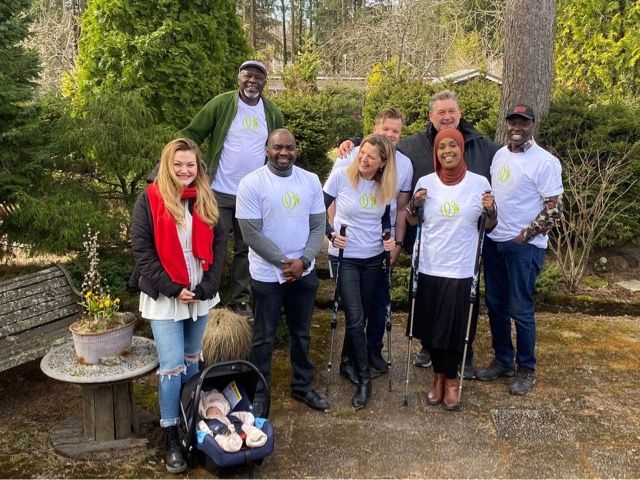
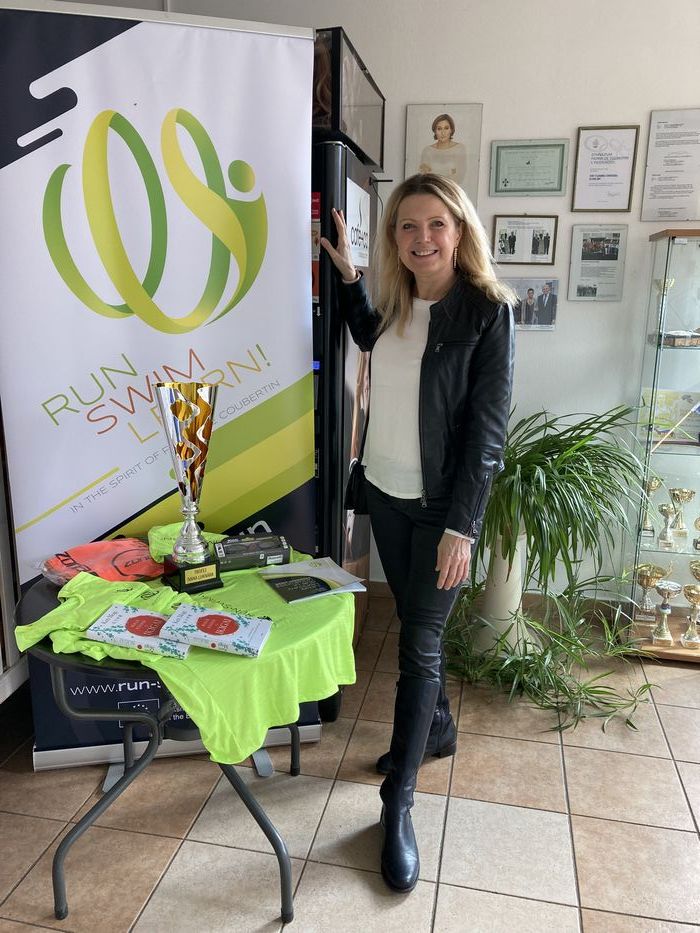
I have also experienced this through my own running activities. For instance, participating in running sessions with young people with autism showed me that sport can create communication without requiring perfect verbal communication. You run together, you encourage each other and you share an experience. The sporting activity becomes a common language. Based on this experience I can just confirm what is already known that sport teaches skills that are often difficult to teach in a classroom such as cooperation, perseverance, respect, self-confidence and dealing with success and failure.
Gender equality is also important. Women and girls need not only opportunities to participate but also opportunities to lead, coach, manage and make decisions within sport organisations. Participation and leadership are two sides of the same issue.
5. What barriers to inclusion have you personally observed in sport environments?
I believe that there are several barriers. The first one is accessibility – physical, financial and geographical. If a sports facility is too far away, too expensive or physically inaccessible, participation becomes difficult.
The second barrier is attitudes. Sometimes people have very good intentions but insufficient knowledge. They want to be inclusive but do not know how to adapt training, communication or competition formats.
The third barrier, which is my view the most significant, is funding. Inclusive programmes often require additional resources, training and personnel. Unfortunately, these are sometimes considered an “extra” rather than an essential part of sport.
I would like to mention also another barrier that is infrastructure. In some communities, there may simply not be an appropriate facility for inclusive sports.
And finally, I would like to add one more barrier, which I would define as a barrier of expectations. We sometimes assume that people with disabilities, older people, socially disadvantaged people or beginners are not interested in sport. In reality, the problem is often that sport has not been presented to them in a way that makes participation possible and attractive.
6. How can sport organisations better contribute to reducing inequalities through sport participation?
In my opinion, I would summarise this issue in four key points. First, inclusion needs to become an integral part of strategic planning, rather than being treated as an occasional initiative or stand-alone project. It should be embedded in the organisation’s long-term priorities, policies and everyday practices.
Second, organisations need to invest in people. Coaches, staff and volunteers need appropriate training and practical guidance on inclusive approaches. Even the best-designed inclusion strategy will have little impact if the person standing on the field does not know how to put it into practice.
Third, organisations should listen to the people they want to include. Rather than designing programmes for people without involving them, they should engage them directly in the design and implementation process. Their experiences, needs and perspectives should help shape the activities intended for them.
And fourth, we need to measure participation in a meaningful way. It is not enough to say that a programme involved 100 people. We should also ask: Who participated? Who did not?
What prevented them from participating? And, importantly, did those who took part feel genuinely included and that they belonged?
For me, the test of meaningful inclusion is very simple: Can this person participate, belong and progress? If the answer is yes, then inclusion is not only something written into a strategy – it is something that is genuinely happening in practice.
Sustainability in Sport
7. From your experience, how is sustainability discussed or addressed in sport organisations or programmes?
Sustainability has become much more visible in sport, particularly in relation to environmental issues. However, I think we sometimes define sustainability too narrowly.
Of course, we need environmentally responsible facilities, reduced waste, sustainable transport and responsible use of energy and water. But sustainability also has a social and organisational dimension.
A sports organisation is not sustainable if it constantly depends on one person who is doing everything voluntarily and is eventually exhausted. Nor is a programme sustainable if it exists only for the duration of one grant.
I would look at sustainability through three interconnected dimensions: environmental, social and organisational.
8. Have you been involved in or observed sustainable practices in sport?
Yes, definitely. At European level, I have encountered many initiatives that demonstrate how sport can contribute not only to health and well-being, but also to social inclusion, community development and environmental sustainability.
Running events are a very good example. On the one hand, they clearly promote good health and well-being by encouraging people to be physically active and by bringing communities together around a positive experience. On the other hand, a large sporting event can also have a considerable environmental footprint. If thousands of participants travel individually by car, receive large quantities of single-use materials and generate significant amounts of waste, the environmental impact can undermine part of the positive message the event is trying to promote.
For me, this illustrates why sustainability in sport needs to be understood in a broader and more integrated way. It is not only about making an event environmentally friendly; it is about considering its overall impact – environmental, social and economic – and looking at how sport can contribute positively across all these dimensions.
At community level, sport can also play an important role in creating more sustainable and liveable cities and communities. Parks, running and cycling routes, accessible sports facilities and well-designed public spaces encourage people to be physically active while also creating opportunities for social interaction and stronger community connections.
This is where I see the real potential of sustainable sport: using sport not only as an activity in itself, but as a tool for healthier people, more inclusive communities and a more sustainable environment.
9. What challenges exist in implementing sustainable practices in sport?
One challenge is funding. Sustainable solutions can require an initial investment, even if they save money in the longer term.
Another challenge is habits. Organisations and event organisers often continue doing things in the same way because “this is how it has always been done.”
There is also a knowledge gap. A small sports club may genuinely want to become more sustainable but may not know where to begin.
For me, another challenge is the tendency to focus on visible actions rather than systemic change. Giving participants a reusable bottle is positive, but sustainability should also influence transport, procurement, facility management, energy consumption and event planning.
Finally, climate change itself is becoming an increasingly important challenge for sport. Extreme heat, for example, directly affects outdoor participation and the organisation of competitions and training.
10. What actions could sport organisations take to better contribute to sustainable development goals?
I think sport organisations can start with relatively simple and practical measures. For example, they can encourage participants and spectators to walk, cycle or use public transport when travelling to sporting activities and events. They can reduce unnecessary single-use materials, use energy and water more efficiently, and choose more sustainable suppliers whenever possible.
At the same time, sustainable development in sport goes far beyond environmental measures. Organisations can also make their facilities more accessible to the wider community, integrate health and well-being into their programmes, and ensure that opportunities to participate in sport are inclusive and accessible to different groups of people.
Another increasingly important area is climate adaptation, particularly for outdoor sport. Organisations need to consider how extreme heat, changing weather conditions and other climate-related risks may affect athletes, participants and events, and how they can respond effectively to these challenges.
Education is equally important. Athletes, coaches, volunteers and participants can all contribute to sustainability if they understand why these issues matter and how their own behaviour can make a difference. Organisations should also measure their progress by including sustainability indicators in the evaluation of their activities and projects.
For me, the key point is that sustainability should become part of an organisation’s culture rather than simply another requirement to fulfil. Sport organisations have an enormous educational and social reach. Every sporting event, every training session and every interaction with participants communicates certain values. If sustainability becomes one of those values, the influence of sport can extend far beyond the sporting field and make a meaningful contribution to wider sustainable development goals.
International Cooperation and Sport Diplomacy
11. Have you had personal experience with international sport cooperation or partnerships?
Yes, international cooperation has been one of the strongest themes throughout my professional life. I have worked with international sport organisations, European institutions and partners from different countries. My experience as chair of the Council Working Party on Sport during the Slovak EU Presidency was particularly valuable because it required finding common ground between countries with different sporting traditions, political priorities and institutional systems.
European projects have provided another important form of cooperation. Partners from different countries work together around common challenges. You quickly realise that although our systems may be different, many of the problems are remarkably similar.
International cooperation also creates an opportunity to learn from solutions that have already been tested elsewhere.
12. How can sport contribute to strengthening relationships between countries?
Sport has an extraordinary ability to create direct human contact. Politicians may disagree, institutions may have different priorities, and historical relationships may be complicated. But athletes can meet on a field, coaches can exchange knowledge and young people can train together. That creates relationships at a human level.
Sport also provides a relatively neutral environment for dialogue. Of course, sport is not politically neutral in every situation, but it can create opportunities for communication that may not otherwise exist.
I have always believed that one of the most powerful aspects of international sport is not the medal ceremony. It is what happens before and after the competition – when people meet, talk, exchange experiences and discover that they have much more in common than they initially thought.
13. Do you think international sport collaborations can contribute to global partnerships and development?
Definitely. No country or organisation can solve complex social challenges alone. International sport cooperation allows us to share knowledge, methods, educational tools and good practices.
Partnerships are particularly valuable when they are based on reciprocity. It should not be about one country “teaching” another country. The most successful partnerships are those in which everybody brings something to the table, and everybody learns something.
European sport projects are a very good example. A partner from Slovakia may bring one experience, a partner from Malta another, and together they can develop something that neither would have created independently.
In that sense, sport can be both a platform for cooperation and a laboratory for European solidarity.
Future Perspectives and Recommendations
14. Based on your experience, what improvements could strengthen inclusion in sport?
From my experience, I think there are several areas where we can still make a real difference.
The first is access. We need to look carefully at what actually prevents people from participating. Sometimes it is the cost, sometimes the location or physical accessibility, and sometimes it is simply that people do not feel that a particular sporting environment is meant for them. So, inclusion starts with identifying and removing those barriers.
The second area is people and education. Coaches, teachers, volunteers and sport administrators are the ones who turn inclusion from an idea into everyday practice. They need the knowledge, confidence and practical skills to work with people with different abilities, backgrounds and needs.
I also strongly believe in involving people directly in decisions that affect them. We should not assume that we know what people need. If we want to create truly inclusive opportunities, we need to listen to them, involve them in designing programmes and give them a genuine voice in shaping the sporting environment.
Another challenge is continuity. We often see excellent inclusion initiatives developed through individual projects or grants, but once the funding ends, the activity ends as well. Successful approaches need a longer-term perspective and should gradually become part of the organisation’s regular activities rather than remaining temporary projects.
And finally, I think we need to change the way we speak about inclusion. Inclusion should not be presented as charity or as something we do for somebody. It is about recognising that everyone should have a fair opportunity to participate, to develop, to contribute and, importantly, to feel that they belong.
For me, that sense of belonging is perhaps the most important measure of success. It is not enough to open the door and say that everyone is welcome. Real inclusion begins when people actually feel that they are part of sport, not simply guests within it.
15. What strategies could help sport organisations contribute more effectively to sustainable development goals?
I would encourage every sport organisation to start by asking three very simple questions when planning a programme: What is our social impact? What is our environmental impact? And what will remain after the project ends?
For me, these three questions already change the way we think about a sport project. They move the focus beyond simply organising activities or counting participants and encourage us to think about the wider and longer-term impact we are creating.
Of course, this also needs to be translated into practice. Organisations should set clear and measurable indicators, invest in the education of their staff and volunteers, and connect their activities with broader priorities in areas such as health, education, inclusion, community development and environmental sustainability.
I also see partnership as essential. A sport organisation does not need to address every challenge on its own. In fact, some of the strongest initiatives I have seen are those that bring different sectors together. Sport clubs can cooperate with schools, municipalities, health organisations, universities, NGOs and also businesses, with each partner contributing different expertise, resources and perspectives.
And I think this is one of the great strengths of sport: it can act as a bridge between different sectors and different parts of society. When we use that potential strategically, a sport project can achieve much more than simply delivering sport activities. It can create healthier communities, stronger social connections and benefits that continue long after the project itself has finished.
16. What opportunities exist for sport to promote international cooperation and understanding between countries?
I think the opportunities are enormous, because sport has a very natural ability to bring people together across borders, languages and cultures.
There are many practical ways to do this – through youth exchanges, international tournaments, joint training programmes, Erasmus+ projects, coach education, research partnerships and community-based sport initiatives. All of these create opportunities not only to exchange knowledge and experience, but also to build relationships between people and organisations from different countries.
I would particularly emphasise the importance of young people. When a young person travels to another country through sport, trains alongside local athletes, meets young people from different backgrounds and experiences another culture directly, they learn something that is very difficult to achieve through a textbook or in a classroom. They discover that despite different languages, traditions or backgrounds, they often have much more in common than they expected.
And this is where I think sport has a very special role. You do not necessarily need to speak the same language to run together, play on the same team or celebrate a shared achievement. Sport creates its own form of communication and can help develop mutual respect and understanding from a very early age.
Today, digital technology adds another dimension. International teams can work together throughout the year, exchange training methodologies, share educational resources and develop joint activities without always having to travel. This makes international cooperation more continuous and accessible.
For me, the real value is that international cooperation through sport is cooperation between people. Projects and tournaments may have a beginning and an end, but the friendships, trust and understanding they create can last much longer.
17. Is there any personal experience or example related to sport and sustainable development that you would like to share?
One of the experiences that stays with me is running with people who would not necessarily have met one another outside sport. Running seems very simple: you put on your shoes and move forward. However, when people run together, many of the usual social distinctions become less important. Age, profession, social status or disability do not necessarily matter. You are simply part of the group.
I have seen this particularly clearly when running alongside young people with autism. The experience reminded me that inclusion does not always require complicated solutions.
Sometimes it starts with something as simple as giving somebody the opportunity to participate and making them feel that they belong.
There is also a personal dimension to sustainability for me. As an athlete, I used to think primarily about performance. Today, I increasingly think about sport in terms of what it gives back to society.
A successful sport system should certainly produce champions, but it should also produce healthier people, stronger communities, better educated young people, greater equality and stronger connections between countries.
That, in my view, is the real long-term value of sport.
Bratislava, 23 March 2026