Interview
with Dušan Poláček
Sport as a School of Life: Inclusion, Education, and International Cooperation
Introduction and Personal Background
1. Can you briefly describe your role and involvement in the sport sector?
Sport has been part of my entire life. I first experienced it as an athlete, later as a coach, then as an international referee, lecturer and sports official. I represented Czechoslovakia at the Olympic Games in Moscow in 1980 and competed at World and European Championships in modern pentathlon.
After finishing my university studies in coaching and physical education, I began my coaching career in 1982. For more than three decades, until 2017, I worked with athletes and was fortunate to experience many important successes at World and European Championships and at the Olympic level.
Today, I continue to work in sport as Secretary General of the Slovak Modern Pentathlon Association and as Chairman of Sport Club VEGA. I have also been involved in education and the preparation of coaches, including lecturing at the master’s degree programme in modern pentathlon at Charles University in Prague.
So, when I speak about sport, I do not see it only as competition. I see it as education, work, relationships, responsibility and a way of life.
2. Based on your personal experience, how would you describe the sport system in your country?
The system has changed considerably during my lifetime. I have experienced sport under very different social and political circumstances, and that gives me a quite long-term perspective.
One positive aspect has always been the dedication of people. Sport survives because athletes, coaches, teachers, volunteers and officials are willing to invest their time and energy.
The challenge is maintaining continuity. Sport needs stable structures, qualified coaches and long-term thinking. Young athletes cannot be developed successfully through short-term approaches.
I also believe that we sometimes focus too much on immediate results. A medal is visible and easy to understand, but the development of a young person takes years. The true success of a coach may only become visible much later in the athlete’s life.
Inclusion in Sport and Social Development
3. From your experience, how is inclusion promoted within sport in your country?
For me, the essence of inclusion in sport is beautifully simple: everyone should have the opportunity to stand on the same starting line. Sport creates a common space. When people train or compete together, many differences that exist in everyday society become less important.
Of course, not everybody has the same abilities or circumstances. However, this is precisely why sport can be so valuable. It can adapt to the individual and allow people to discover what they are capable of. I have always considered this one of the great strengths of sport. It gives people an opportunity to participate, to improve themselves and to experience belonging.
4. Have you been involved in or observed initiatives that use sport to promote equality or inclusion?
Throughout my coaching career, I worked with many generations of athletes, and every generation was different. Every athlete had different abilities, personality, motivation and circumstances. A coach therefore has to learn to see the individual rather than simply the athlete.
This is also relevant to inclusion. If we expect everybody to develop in exactly the same way, we will inevitably exclude some people. Sport can be a very powerful educational environment because people experience both success and failure together. They learn that ability is not fixed and that progress can take different forms.
My work in coach education has reinforced this belief. A good coach should not only know how to improve performance. He or she should know how to develop a person.
5. What barriers to inclusion have you personally observed in sport environments?
One barrier is the tendency to judge people too quickly. In competitive sport, we naturally look for talent and performance. But if we concentrate exclusively on performance, we can overlook people who need more time to develop or who have different strengths.
Another barrier is access to qualified coaching. Facilities are important, but a good coach can make an enormous difference.
There are also financial and geographical barriers. Not every child has the same opportunity to participate in sport, travel to competitions or receive specialist training.
And there is sometimes a psychological barrier – the feeling that you are not good enough. This is one reason why coaches have such an important responsibility. A few words from a coach can either encourage a young person to continue or convince them to stop.
6. How can sport organisations better contribute to reducing inequalities through sport participation?
They should start with the principle that participation matters even when someone is not going to become an elite athlete. Sport organisations should offer different pathways. There should be space for the future Olympian, but also for the child who simply wants to move, make friends and discover something new.
Coaches should also receive education in working with different types of participants. And we should strengthen cooperation between schools and sports organisations. Physical education can be the first door through which a child discovers sport. If that door is open to everyone, sport can become an important instrument for reducing inequalities.
Sustainability in Sport
7. From your experience, how is sustainability discussed or addressed in sport organisations or programmes?
I think sustainability in sport should begin with a simple question: Can what we are doing continue for the next generation? We often understand sustainability only in environmental terms. That is important, of course, but sport also needs sustainable people, organisations and traditions. If we do not educate young coaches, develop young athletes and preserve knowledge, the system is not sustainable.
I have worked in sport long enough to see methods and generations change. One generation learns from the previous one and then improves what it has inherited. That continuity is itself a form of sustainability.
8. Have you been involved in or observed sustainable practices in sport?
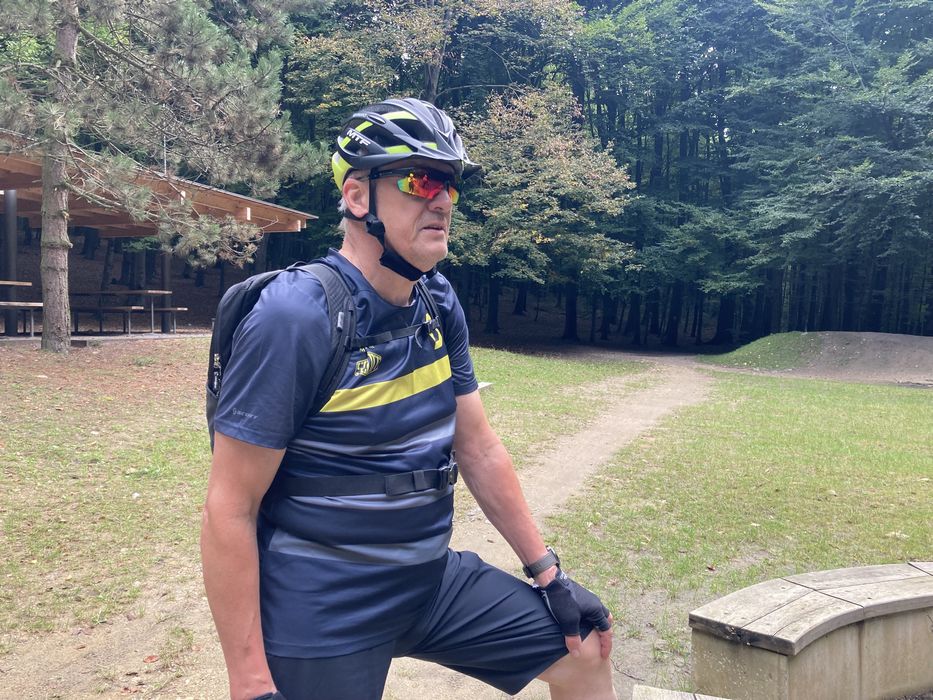
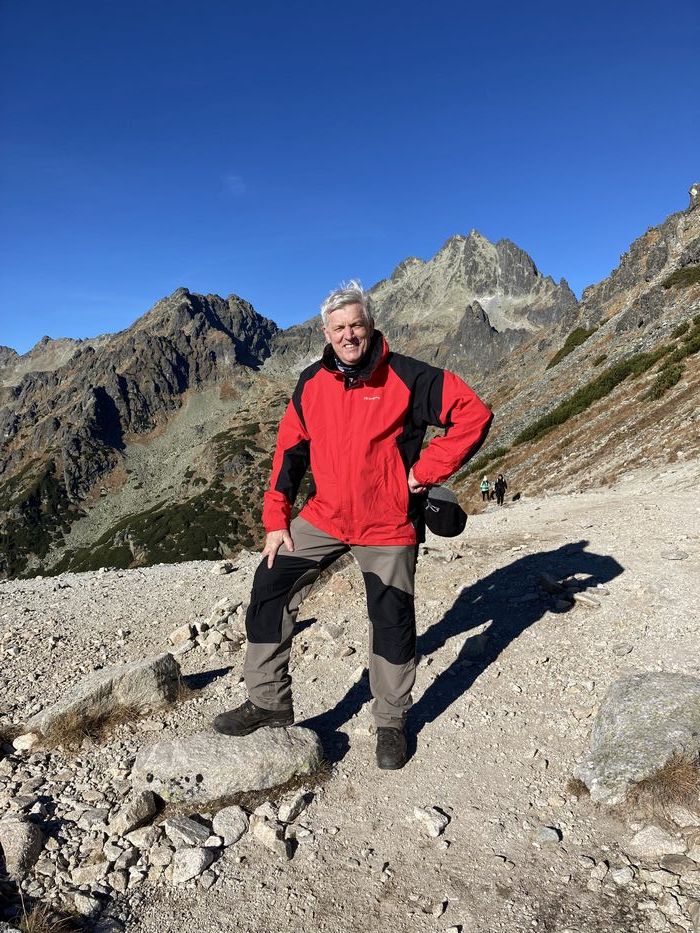
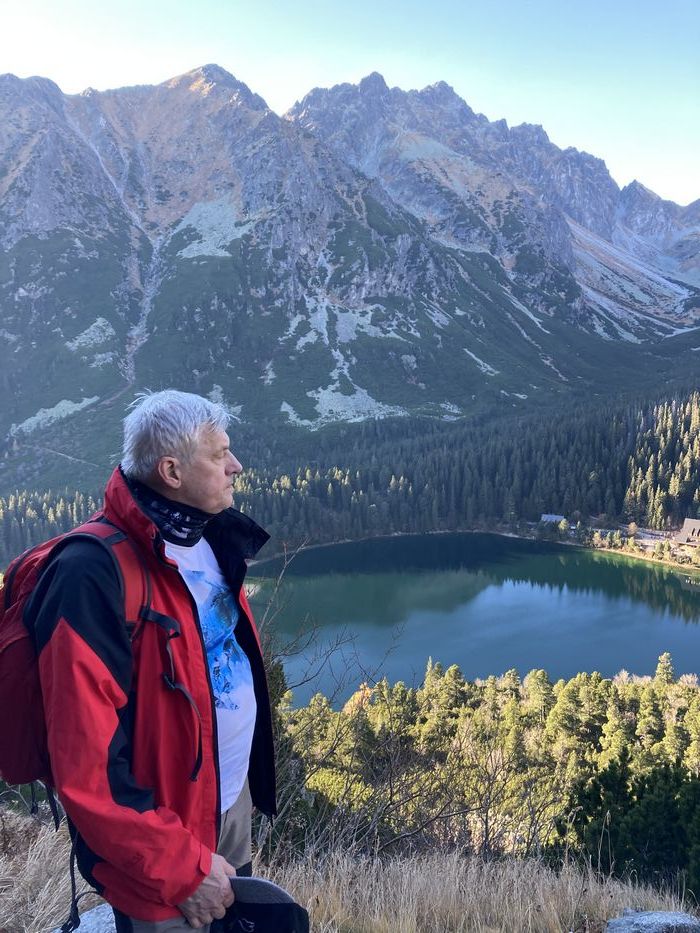
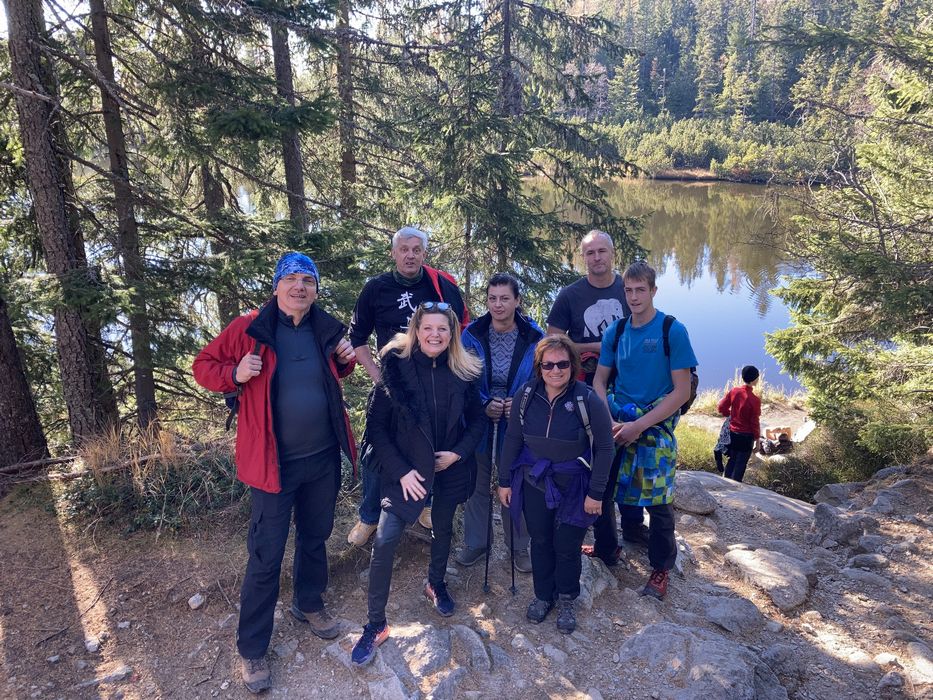
My own relationship with nature has made me particularly aware of this dimension. I enjoy cycling, trekking, fishing and spending time outdoors, and these activities have strengthened my appreciation of the natural environment.
Sport does not always need sophisticated infrastructure. Walking, running, cycling and many outdoor activities can take place in natural environments with relatively little infrastructure.
At the same time, major sporting events and facilities obviously have environmental impacts. We should therefore consider transport, energy, waste and the use of natural resources.
Finally, I would also emphasise the educational opportunity. People who experience nature through sport may develop a stronger desire to protect it.
9. What challenges exist in implementing sustainable practices in sport?
The first challenge is changing habits. Sport organisations often concentrate on the immediate task – organising training, competition or an event. Sustainability requires thinking further ahead.
Another challenge is resources. Smaller clubs cannot always afford expensive environmental solutions.
There is also the problem of continuity. A project may introduce an excellent sustainable practice, but if there is nobody responsible for maintaining it, it can disappear.
For me, education is therefore essential. People need to understand why a sustainable approach matters, not simply be told to follow a particular rule.
10. What actions could sport organisations take to better contribute to sustainable development goals?
I would begin with the everyday things. Use existing facilities efficiently. Avoid unnecessary waste. Encourage public transport, cycling or walking where possible. Respect natural environments when organising outdoor activities.
Secondly, I would also invest in people. Train coaches. Educate young athletes. Preserve professional knowledge. Encourage experienced coaches to pass their experience to the next generation.
Sport has a special advantage: young people do not only listen to their coaches – they observe them. Behaviour is often more powerful than words.
International Cooperation and Sport Diplomacy
11. Have you had personal experience with international sport cooperation or partnerships?
Yes, international cooperation has been an important part of my professional life. I have worked with international colleagues as an athlete, coach, referee and sports official. I was also involved in international coach education and was appointed by the International Modern Pentathlon Union to train coaches in Brazil in 1988.
I have participated in numerous international conferences and professional exchanges, and these experiences taught me that sport systems may be organised differently, but the fundamental challenges are often very similar. Every country has something to learn from another.
12. How can sport contribute to strengthening relationships between countries?
Sport creates direct relationships between people. As an athlete, you may compete against someone from another country today and sit together with them tomorrow. You discover that competition and friendship can coexist. This is, in my opinion, one of sport’s greatest strengths.
Sport also teaches respect for rules. You may strongly want to win, but you must accept the same rules as your opponent. That principle has a wider meaning. International cooperation also requires rules, respect and the ability to accept differences.
13. Do you think international sport collaborations can contribute to global partnerships and development?
Certainly. International cooperation allows us to exchange experience and avoid repeating mistakes. In coach education, for example, one country may have developed an effective approach to athlete development, while another may have particular expertise in education or sports science. Cooperation allows these experiences to be combined.
In my view, successful partnerships require people who are prepared to listen. International cooperation is not about proving that your system is the best. It is about understanding why another system works and asking what you can learn from it.
Future Perspectives and Recommendations
14. Based on your experience, what improvements could strengthen inclusion in sport?
I would place greater emphasis on the individual. We should not ask only, “How good is this athlete?” We should also ask, “What can this person become?” And that is a very different question.
Sport organisations should create opportunities for different levels of ability and motivation. They should make sure that children are not excluded simply because they are not immediately successful.
And coaches need to understand that their responsibility is much greater than producing results. They are influencing young people’s attitudes towards themselves, towards others and towards life.
15. What strategies could help sport organisations contribute more effectively to sustainable development goals?
In my opinion, long-term planning is essential. Sport organisations should develop athletes, coaches and volunteers with a perspective of many years rather than one season. They should also connect sport with education, health, local communities and environmental responsibility. I would particularly encourage intergenerational learning. Experienced coaches and former athletes possess enormous knowledge, and we should make better use of it.
At the same time, younger generations bring new ideas and new technologies. Sustainability means bringing these two strengths together.
16. What opportunities exist for sport to promote international cooperation and understanding between countries?
I see opportunities at every level. Elite competitions are important, but I would not underestimate youth exchanges, coaching seminars, training camps and educational programmes. When young athletes travel abroad, they learn much more than sport. They encounter another language, another culture and another way of doing things.
The same applies to coaches. A coach who spends time in another country can return with new ideas that may benefit an entire generation of athletes.
This is why international sport cooperation should not be limited to major competitions.
17. Is there any personal experience or example related to sport and sustainable development that you would like to share?
Perhaps the most important example is not one particular competition or medal. It is the generations of athletes I have worked with.
Every generation taught me something different. My task as a coach was always to try to help everyone reach their maximum potential or at least come as close to it as possible.
Looking back, that is what gives me the greatest satisfaction. A medal remains in the statistics. But if an athlete becomes a better, more responsible and more confident person because of their experience in sport, that remains with them for life.
This is why I believe so strongly in the educational power of sport. Sport teaches you to accept rules, respect opponents, overcome difficulties, work with others and continue after disappointment. These are not only sporting qualities. They are qualities for life.
Bratislava, 3 April 2026